
Meet the composers behind the world's most enduring music
Behind every symphony, concerto, and sonata is a person with a story and a vision. Composer Explorer, from Classics for Kids, helps young learners, families, and classrooms discover them at their own pace — by alphabet, era, genre, or special collection — instead of wading through a dense history book.
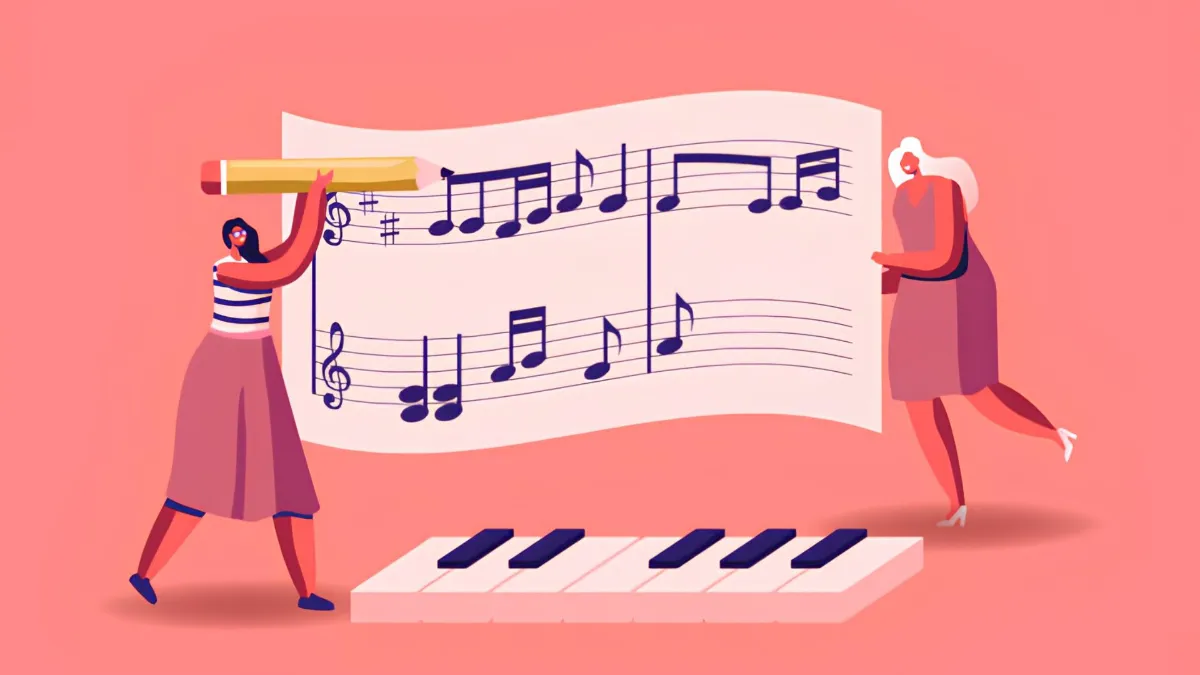
Why learning about composers matters
Understanding who created the music adds a new layer of appreciation. As you learn about different composers, classical music transforms from a list of names into a rich cultural journey.
More than names and dates
A composer's biography is rarely just a timeline. It includes the instruments available in their era, the patrons or institutions that supported their work, and the musical conventions they either followed or pushed against. That context is part of what makes a piece worth revisiting.
A resource built for browsing
Composer Explorer is organized so readers can approach the material in whatever order makes sense to them — starting with a familiar name, a favorite era, or a themed collection — rather than working through a book from cover to cover.
Six eras, one composer each
Move along the timeline to see how musical style shifted from century to century, with one illustrative composer from each period.
Illustrative examples only — Composer Explorer itself covers many more composers across every era.
Baroque
The Baroque era introduced ornate, highly structured music and saw the rise of opera and the concerto as major forms.
Illustrative example: Johann Sebastian Bach (1685–1750), a German composer and organist, worked for much of his career as a church musician and left an output spanning keyboard, orchestral, and choral music, including the Brandenburg Concertos.
Traditional music history can feel like homework
A typical history book presents dozens of composers in chronological order, making it hard to remember who influenced whom or why certain musicians became important. For younger learners especially, a visual, interactive approach makes information easier to absorb.
Many families and teachers now prefer resources that encourage exploration instead of memorization.
Composer Explorer from Classics for Kids
Produced and operated by Classics for Kids, a U.S. music-education organization, Composer Explorer is built primarily for children and classroom use — with plenty for curious parents and lifelong learners too. It's an easy-to-navigate library that lets learners browse composers several different ways, whether searching for a familiar name or discovering someone new.
Browse alphabetically
Locate composers by the first letter of their name — easy to find both well-known and lesser-known musicians.
Explore eras & genres
Discover composers grouped by musical period or genre for useful historical context beyond a simple list.
Discover diverse voices
Curated collections spotlight women composers, Spanish and Latin American composers, vocal music, and historical themes.
Keep learning
Part of a larger platform with podcasts, games, quizzes, musical dictionaries, and instrument guides.
Finding your way to a composer
Five simple steps take you from this page to a composer's profile on Composer Explorer.
Visit Composer Explorer
Follow the link from this page to reach the Composer Explorer library on classicsforkids.com.
Choose a way to browse
Pick alphabetical order, musical era, genre, or a themed collection such as women composers or Spanish and Latin American composers.
Open a composer profile
Select a name to view an organized profile with background information.
Explore related content
Follow links to games, quizzes, musical terms, and instrument guides on the broader Classics for Kids platform.
Save favorites for later
Bookmark the page or note down composers and collections to revisit for a lesson, homework help, or personal interest.
How to listen for the first time
A few simple habits make any unfamiliar piece easier to approach — useful for a classroom, a homeschool lesson, or an evening at home.
Start with one movement
Instead of a full symphony, begin with a single movement or a short, well-known piece.
Skim the background first
A brief note about when and why a piece was written can make it easier to follow while listening.
Follow one thread
Pick a single instrument or melody and try to track it as the piece unfolds.
Listen more than once
A second or third listen often reveals details that weren't obvious the first time.
Who may benefit
Things to consider
About Casa da Música
This page is a paid advertorial presented by Casa da Música, based in Porto, Portugal. Casa da Música sponsors this content to highlight Composer Explorer, an educational resource for children and classrooms.
Composer Explorer is produced and operated by Classics for Kids, a separate U.S.-based music-education organization. Casa da Música does not create, operate, or control Composer Explorer — this page's role is limited to presenting the resource to readers who may find it useful. Full sponsor contact details are provided here for transparency.
What visitors typically come away with
Every learner's path is different — these are illustrative outcomes, not promises. Results may vary depending on individual circumstances and how the resource is used.
A starting era
Rather than an alphabetical wall of names, you can begin with a musical period that already interests you and work outward from there.
A short list to explore next
Browsing by category naturally surfaces a handful of composers worth a closer look, without requiring a full history course first.
Background for a familiar piece
Learning who wrote a piece — and when — adds background that can make a familiar melody more meaningful, in a lesson or on your own.
A resource to come back to
Because the material is organized for browsing rather than one-time reading, it's easy to return and explore a different angle later.
Frequently asked questions
An educational resource that lets users browse and learn about classical composers through organized categories and composer profiles.
Yes. It is designed to be approachable for learners just beginning to explore classical music, while still offering value for those with existing knowledge.
Yes. Alongside many well-known composers, it features curated collections highlighting women composers, Spanish and Latin American composers, vocal composers, and other themed categories.
Yes. The broader Classics for Kids platform includes podcasts, quizzes, games, musical terms, instrument guides, and classroom resources.
Many teachers and homeschool educators use the platform's materials alongside lessons about music history and appreciation.
Start exploring the stories behind the music
Follow your curiosity and discover which composers capture your interest first.
Explore Hidden StoriesResults may vary depending on individual circumstances and product usage.